Awaiting Trial Inmates: Nigeria’s Justice Gap Explained
PPDC says about 55,000 inmates are awaiting trial in Nigerian correctional centres, highlighting long detentions and the high cost of legal services. The figure points to a wider access-to-justice problem.
In short
According to the Public and Private Development Centre, about 55,000 inmates were awaiting trial in Nigerian correctional centres as of its latest data, with prolonged detention and expensive legal services driving the problem. The group disclosed this in Abuja on Tuesday, November 3, 2026, and said it has helped secure bail for more than 8,500 people and kept about 20,000 others out of custody over four years.
Awaiting trial inmates remain a major justice issue in Nigeria
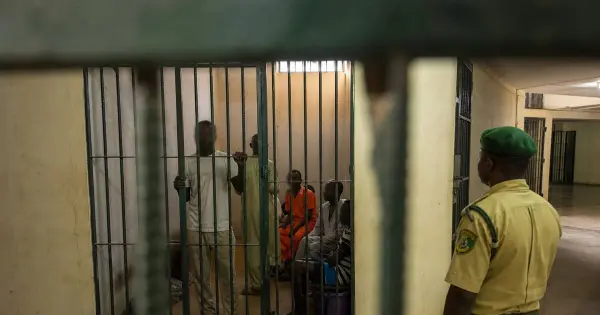
About 55,000 inmates are awaiting trial in Nigerian correctional centres, according to the Public and Private Development Centre, a figure that underscores how prolonged detention and limited access to legal representation continue to affect the country’s justice system, according to the portal Punch Newspapers.
The update was shared by PPDC Chief Executive Officer Lucy Abagi on Tuesday at the group’s Third Annual Law for Humanity Summit 2026 in Abuja. Her comments put renewed attention on a long-running problem: many people remain in custody for long periods before their cases are resolved.
What PPDC said in Abuja
Abagi said the organization’s data covers inmates in Nigerian Correctional Service facilities and does not include every detention facility in the country. That means the 55,000 figure is significant, but it is not a complete national count.
She also linked the problem to the cost of legal representation. In her words, legal services are expensive, and many low-income Nigerians cannot afford lawyers when they need them most.
According to the report by Punch Newspapers, PPDC said it has responded by using low-cost strategies to expand access to legal support across detention centres.
Why the number matters
The issue is not only about the size of the awaiting trial population. It is also about how long people stay in custody without their cases being concluded.
PPDC said some detainees have remained in custody for periods longer than the possible sentences for the offences they were accused of committing. That raises concerns about fairness, delay, and the practical barriers that keep people from getting timely legal help.
The organization pointed to the broader impact of prolonged detention, especially for people who cannot afford legal services and may not have access to effective representation.
PPDC’s interventions over four years
Abagi said PPDC has secured bail for more than 8,500 Nigerians over the past four years. The group also said it prevented about 20,000 others from being admitted into correctional facilities through its interventions during the same period.
PPDC added that it has supported about 11 university law clinics in the last four years, working alongside pro bono lawyers and police solicitors to review case files and assist detainees.
These efforts show how legal aid partnerships can help reduce pressure on the system, especially where financial barriers stop people from accessing formal legal services.
The broader data behind the concern
The report also cited figures from the Nigerian Correctional Service showing that 53,670 inmates were awaiting trial as of June 29, 2026, out of a total custodial population of 82,195. That meant awaiting-trial inmates made up about 65 per cent of the total at the time.
That share is important because it suggests the problem is not isolated. It affects a large part of the custodial population and reflects the strain on the justice process.
What experts discussed at the summit
The summit was themed “Justice in the Age of Data and AI” and brought together representatives of the Legal Aid Council of Nigeria, the Nigerian Bar Association, pro bono lawyers, and university law clinics.
The event also examined how technology could improve access to legal services. A Professor of Law and President of the Centre for Socio-Legal Studies, Yemi Akinseye-George, warned that artificial intelligence in the justice system must be regulated so it does not deepen inequality.
He said AI can help bridge the gap between wealthy and indigent Nigerians, but it should not replace the responsibilities of lawyers and judges. He also stressed that humans must remain in control and responsible for the accuracy of legal work.
The Director-General of the Legal Aid Council, Aliyu Abubakar, represented by his Technical Assistant, Bamidele Ibikunle, also urged lawyers and judges to verify AI-generated information before relying on it in legal proceedings.
What this means for access to justice
The PPDC data highlights three connected problems:
- High legal costs that keep many people from hiring lawyers
- Long detention periods before cases are concluded
- Limited access to legal support in correctional centres
Together, these issues help explain why awaiting trial inmates remain such a persistent concern in Nigeria.
PPDC said it is trying to sustain its interventions despite funding challenges. The organization also called on development partners, philanthropists, and members of the public to support efforts aimed at improving access to justice.
Why this story matters for the public
For readers, the key takeaway is that the backlog of awaiting-trial cases is not just a prison statistic. It reflects how legal access, funding, and case delays can affect thousands of people at once.
The figures shared by PPDC and the Nigerian Correctional Service suggest that the justice system still has a long way to go in reducing unnecessary detention and speeding up case resolution.
For anyone following justice reform in Nigeria, the message is clear: access to legal representation remains one of the most important parts of the process.
Frequently asked questions
How many inmates are awaiting trial in Nigeria?
PPDC said about 55,000 inmates are awaiting trial in Nigerian correctional centres, based on the data it has collected.
Why are so many people still awaiting trial?
According to PPDC, high legal costs and limited access to legal representation are major reasons many detainees remain in custody for long periods.
What has PPDC done about the problem?
PPDC said it has secured bail for more than 8,500 Nigerians, prevented about 20,000 others from entering correctional facilities, and supported 11 university law clinics over the past four years.