Nigeria-Germany partnership could boost investment
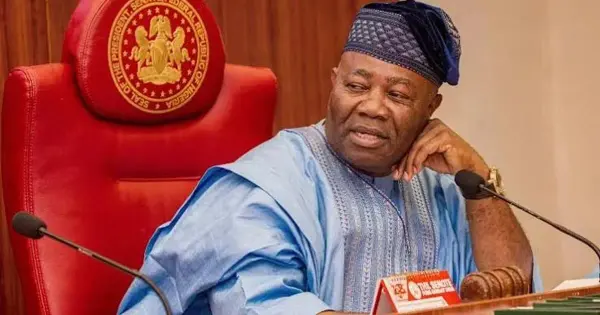
Senate President Godswill Akpabio wants Nigeria and Germany to turn a long friendship into practical economic gains. According to Punch Newspapers, he pushed for investment, skills transfer and stronger institutional cooperation.
In short
Senate President Godswill Akpabio called for a stronger Nigeria-Germany partnership on Thursday in Abuja, according to Punch Newspapers. He urged both countries to turn decades of friendship into investment, industrial growth and jobs, with focus on electricity, skills training, security cooperation and easier access to finance.
Nigeria and Germany could deepen economic ties through investment, industrial growth and job creation, after Senate President Godswill Akpabio urged both countries to turn a long-standing diplomatic relationship into measurable results, according to Punch Newspapers.
What Akpabio asked for
Akpabio made the call in Abuja on Thursday when he received a delegation of the Committee on Economic Cooperation and Development of the German Bundestag, led by Professor Wolfgang Stefinger. In an address titled "Let Friendship Become Factories", he said the two countries should move beyond goodwill and focus on practical cooperation that benefits businesses and workers.
According to Punch Newspapers, Akpabio said Nigeria and Germany have spent more than six decades building friendship and mutual trust. He argued that the next phase should be about converting that foundation into greater opportunities, stronger institutions and shared prosperity.
He said the relationship should now support electricity, skills development and jobs. In his words, the priority is to translate the partnership into tangible economic benefits.
Why the partnership matters
The Senate President said Nigeria wants to expand production, strengthen its industries and create productive employment through increased German investment. He pointed to manufacturing, agro-processing, pharmaceuticals, technology and infrastructure as priority sectors.
That approach, he said, would help Nigeria do more than simply trade with Germany. Instead, both countries could produce goods together, build local capacity and connect Nigerian businesses to international markets.
Punch Newspapers reported that Akpabio also highlighted barriers that can slow investment, including high financing costs, export-credit premiums and unnecessary regulatory obstacles. He said German small and medium-sized enterprises should find credible opportunities to invest alongside Nigerian businesses.
Electricity and industrial growth
A major part of Akpabio’s message focused on power supply. He said reliable electricity is essential to industrialisation because businesses need stable power to increase production and reduce operating costs.
He noted Nigeria values the Presidential Power Initiative, which is being implemented in partnership with Siemens, and wants faster progress toward its goals. He also called for more investment in renewable energy, natural gas and sustainable infrastructure.
For KSports readers tracking business and development trends, the message is clear: energy access remains a key condition for industrial growth. Without it, production costs stay high and investment can be harder to sustain.
Skills, training and technology transfer
Akpabio also said Nigeria can benefit from Germany’s experience in apprenticeships and industry-linked training. He identified technical education, vocational training and skills development as important areas for cooperation.
He urged both countries to build stronger links between Nigerian institutions and German technical colleges, industries and employers. The fields he mentioned include:
- engineering
- digital technology
- artificial intelligence
- entrepreneurship
Punch Newspapers reported that Akpabio said the most lasting investment in the relationship would be the skills given to the next generation. That point links economic growth to human capital, which is often a central issue in long-term development partnerships.
Security and migration cooperation
Akpabio also said stronger economic ties need peace and security. He thanked Germany for its security cooperation and called for deeper collaboration in training, intelligence, surveillance, counterterrorism, border security and maritime protection, while stressing respect for human rights.
He added that a secure Nigeria would strengthen stability across West Africa and the Sahel, protect commerce and advance shared interests.
On migration, he called for expanded safe and lawful migration pathways, recognition of professional qualifications and stronger efforts to combat human trafficking. He also said the return and reintegration of migrants should respect due process and human dignity.
Parliamentary dialogue and next steps
To keep the relationship moving forward, Akpabio proposed a structured Nigeria-Germany Parliamentary Dialogue, supported by committee exchanges and designated contacts.
He also outlined five priorities to ensure the visit leads to measurable results:
- sustained parliamentary dialogue
- faster electricity and renewable-energy cooperation
- a skills and innovation partnership
- improved access to investment and development finance
- designated parliamentary contacts to monitor agreed actions
According to Punch Newspapers, these steps are meant to strengthen bilateral relations and turn existing cooperation into practical benefits for both Nigerians and Germans.
What this means for Nigeria's economic agenda
Akpabio’s remarks reflect a broader push to link diplomacy with economic outcomes. Rather than treating foreign relations as symbolic, he framed the Nigeria-Germany partnership as a tool for factories, jobs, technology transfer and stronger institutions.
That framing matters because it places investment and industrial policy at the center of the conversation. It also shows how parliament can support execution through legislation, oversight and budget decisions, not just through diplomacy.
For businesses, the message is that opportunities may lie in sectors where Nigeria wants to build capacity and where German firms can partner with local players. For policymakers, the challenge is turning promises into action.
Frequently asked questions
What did Akpabio ask Nigeria and Germany to do?
He asked both countries to turn their long friendship into practical cooperation that supports investment, industrial growth, jobs and shared prosperity, according to Punch Newspapers.
Which sectors did he highlight for investment?
He named manufacturing, agro-processing, pharmaceuticals, technology and infrastructure as priority areas.
What role did he see for parliament?
He said parliaments can help ensure continuity, accountability and lasting value through legislation, oversight and budgetary decisions.